
ABOUT THE PROJECT
Chalk Bluffs Energy builds on more than a century of agriculture and energy production in Weld County, CO and Laramie County, WY. It adds new, local sources of reliable power while keeping the land in ranching.
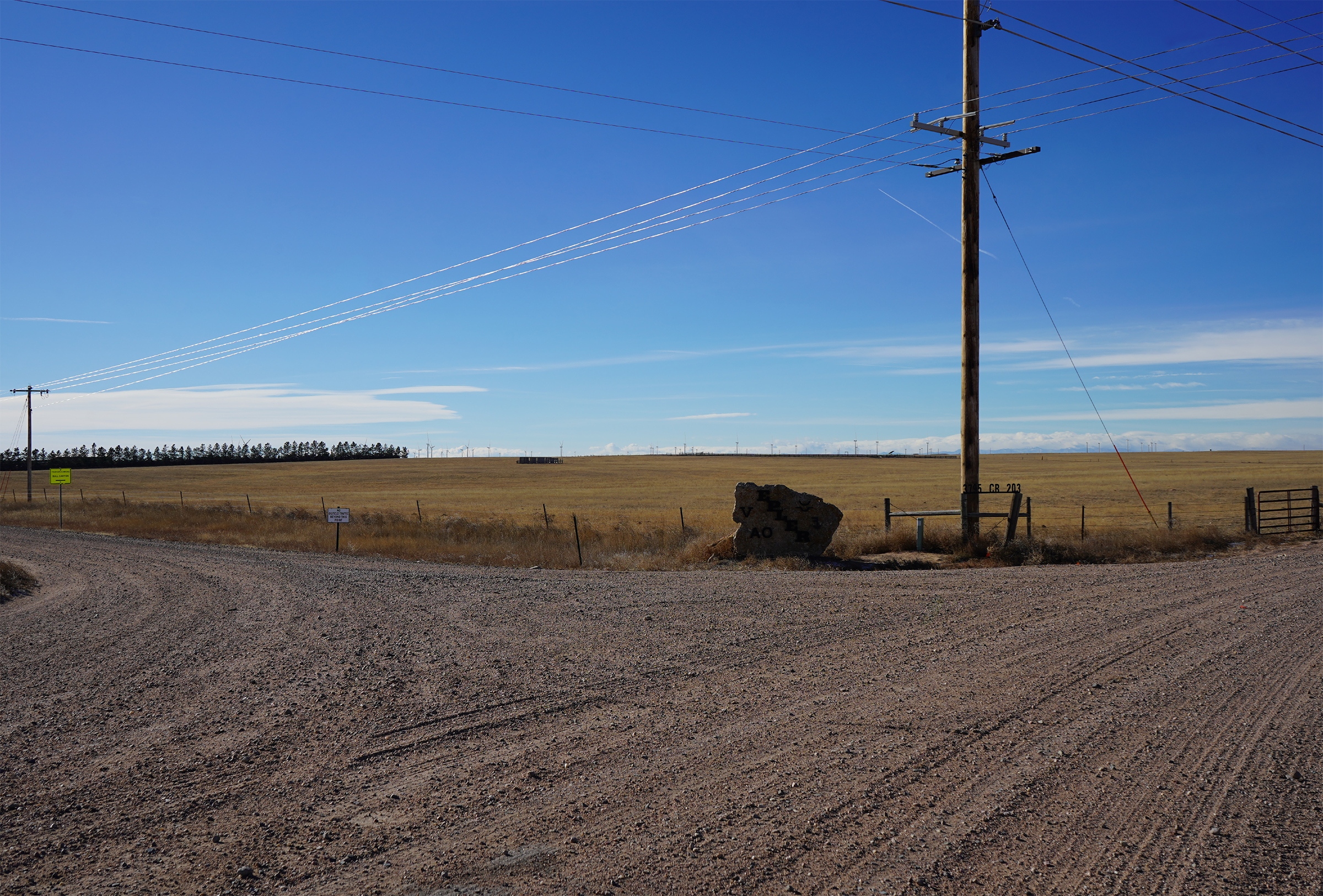
A Simulation Photo
For generations, these two counties have powered the region through ranching, farming, oil, and gas. Chalk Bluffs Energy carries that legacy forward. The project is designed to strengthen grid reliability, support existing energy industries, and anchor long-term economic growth.
| How the Pieces Work Together
Each part of Chalk Bluffs has a job, and together they keep power flowing steadily. Wind turbines and solar panels generate electricity. The battery system stores extra power and releases it when demand peaks or conditions change. Transmission lines and substations carry the power to the regional grid.
All of the above energy
-
Wind Energy
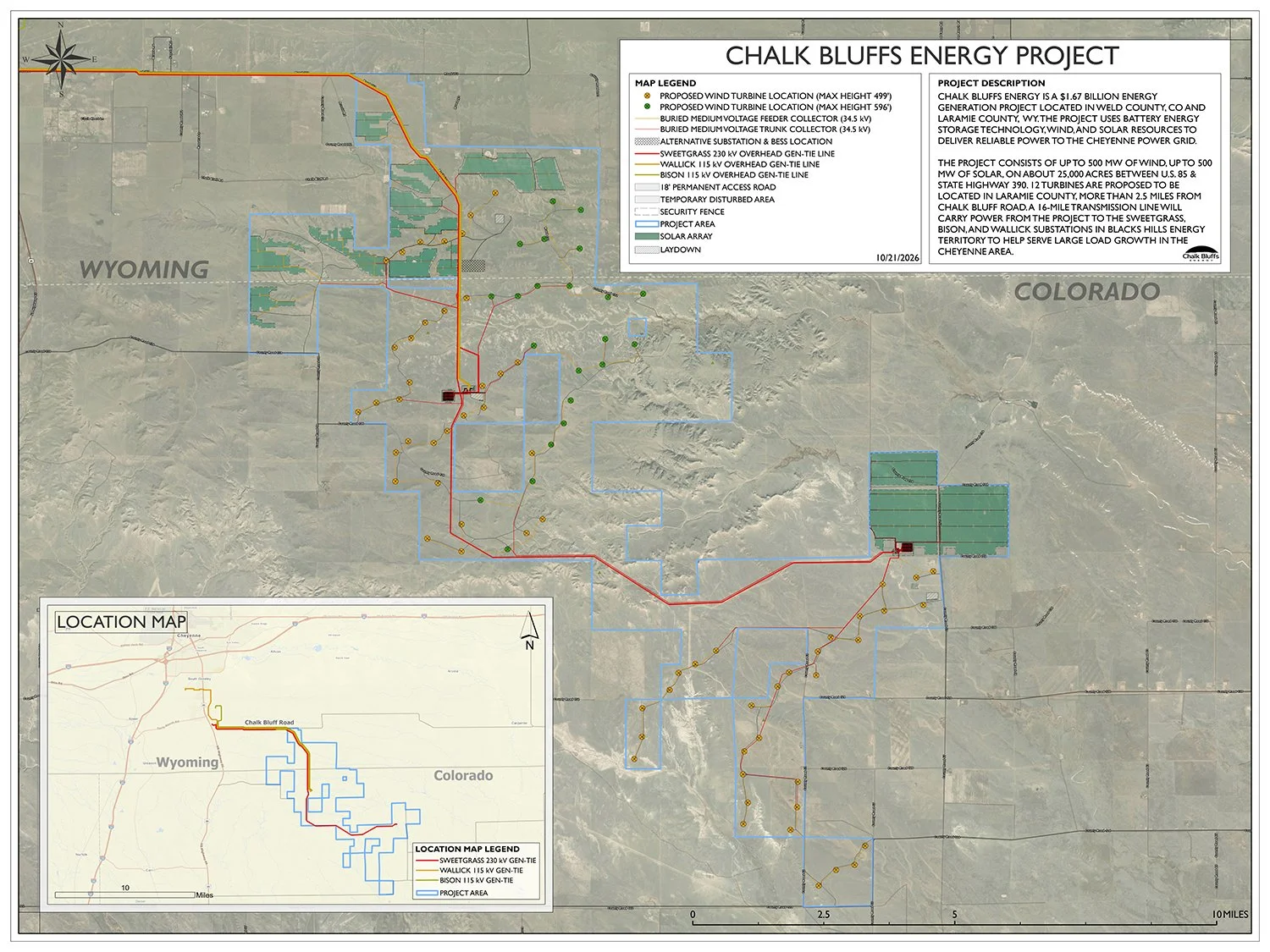
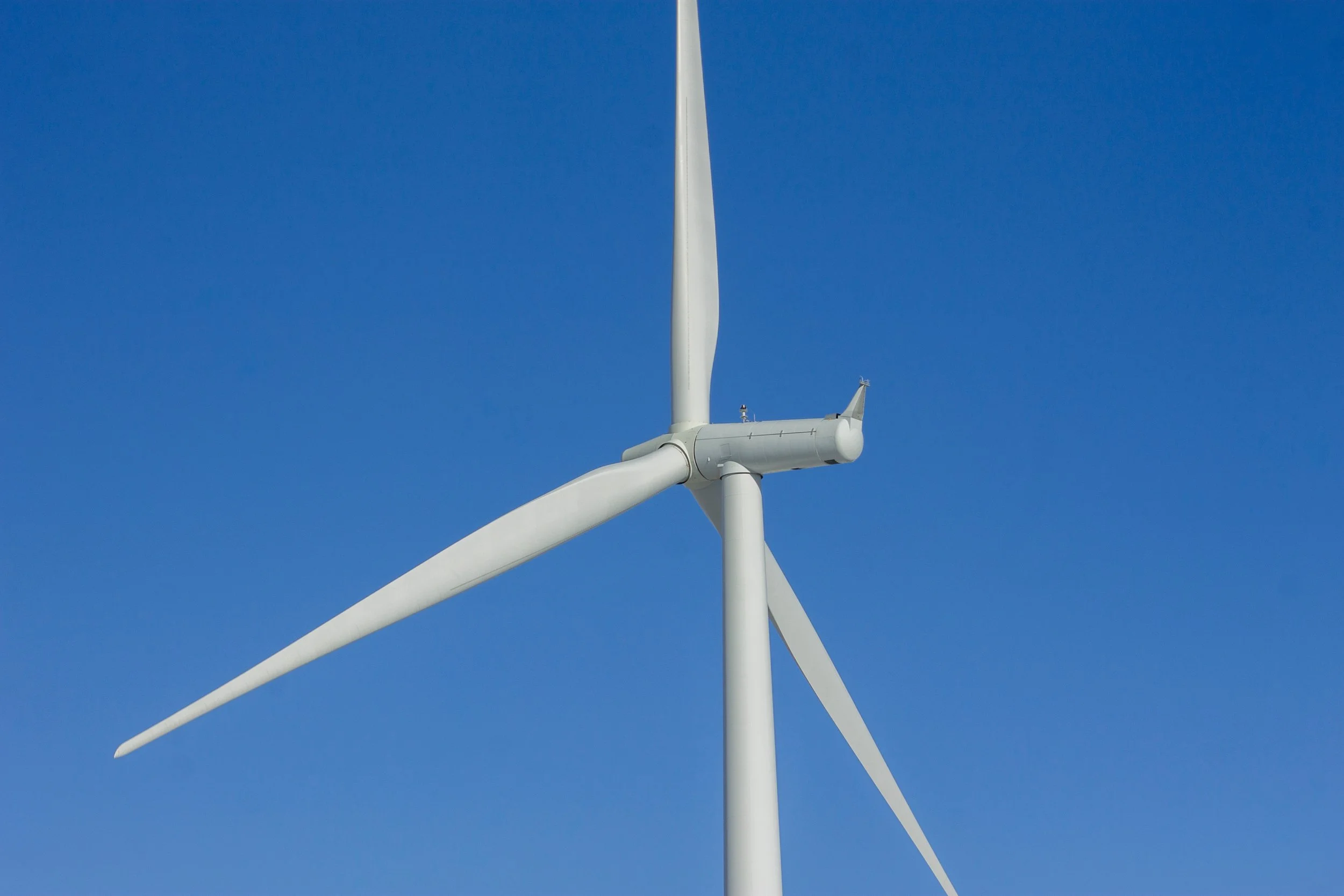
Proposed Capacity: Up to 500 MW. Currently 95 turbines - 79 in Colorado and no more than 12 in Wyoming.
Location Details: Are more than 1.7 miles from Chalk Bluffs Road and approximately 3.5 miles from U.S. Highway 85.
-
Solar Energy
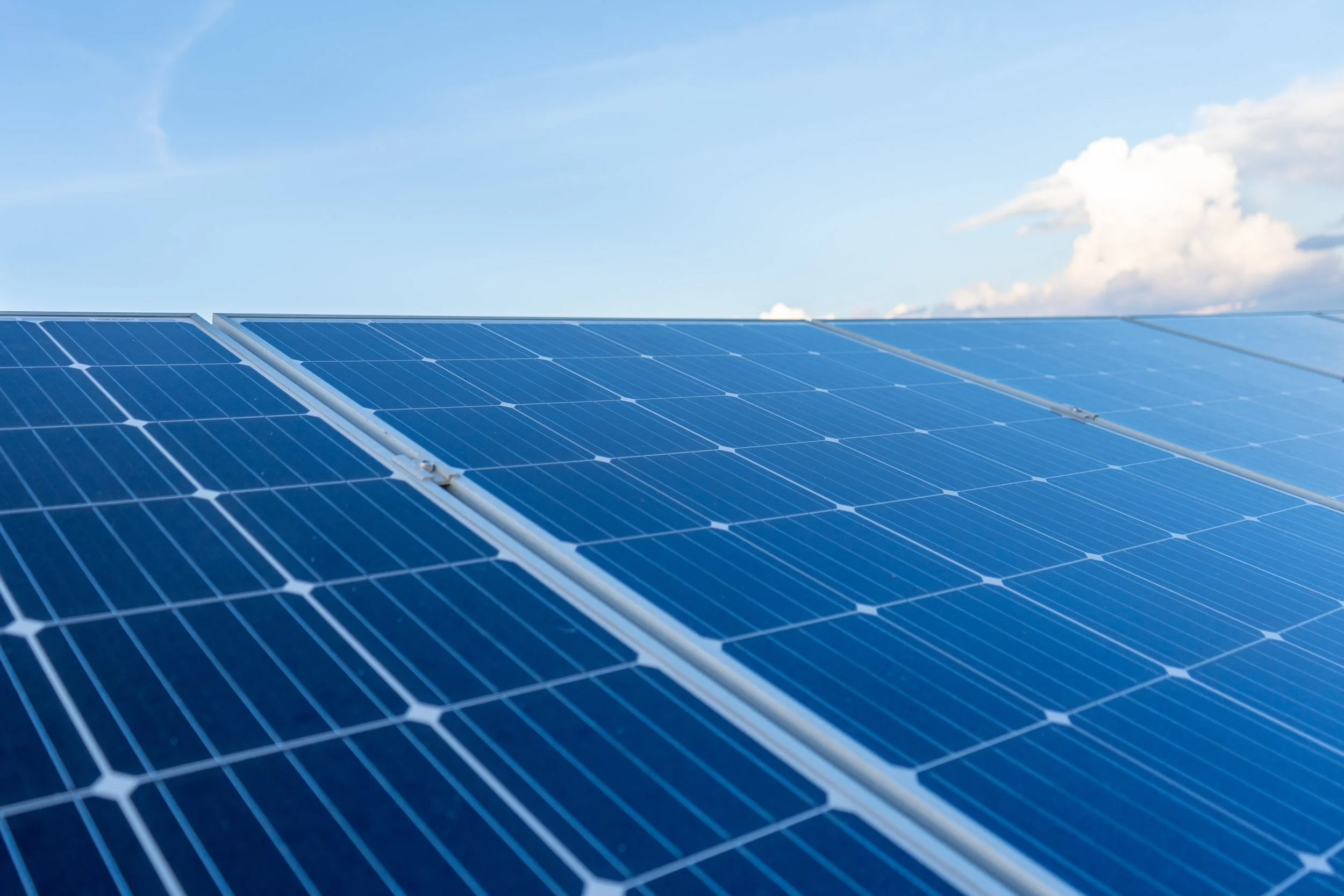
Proposed Capacity: Up to 500 MW.
Location Details: Nearly one mile from the nearest non-participating home. Solar farms are proposed in both Colorado and Wyoming.
-

Battery Storage
Proposed Capacity: Up to 500 MWh.
Location Details: Sited far from property boundaries and residential areas to provide additional buffer and allow sound and heat to dissipate.
-
Transmission & Substations
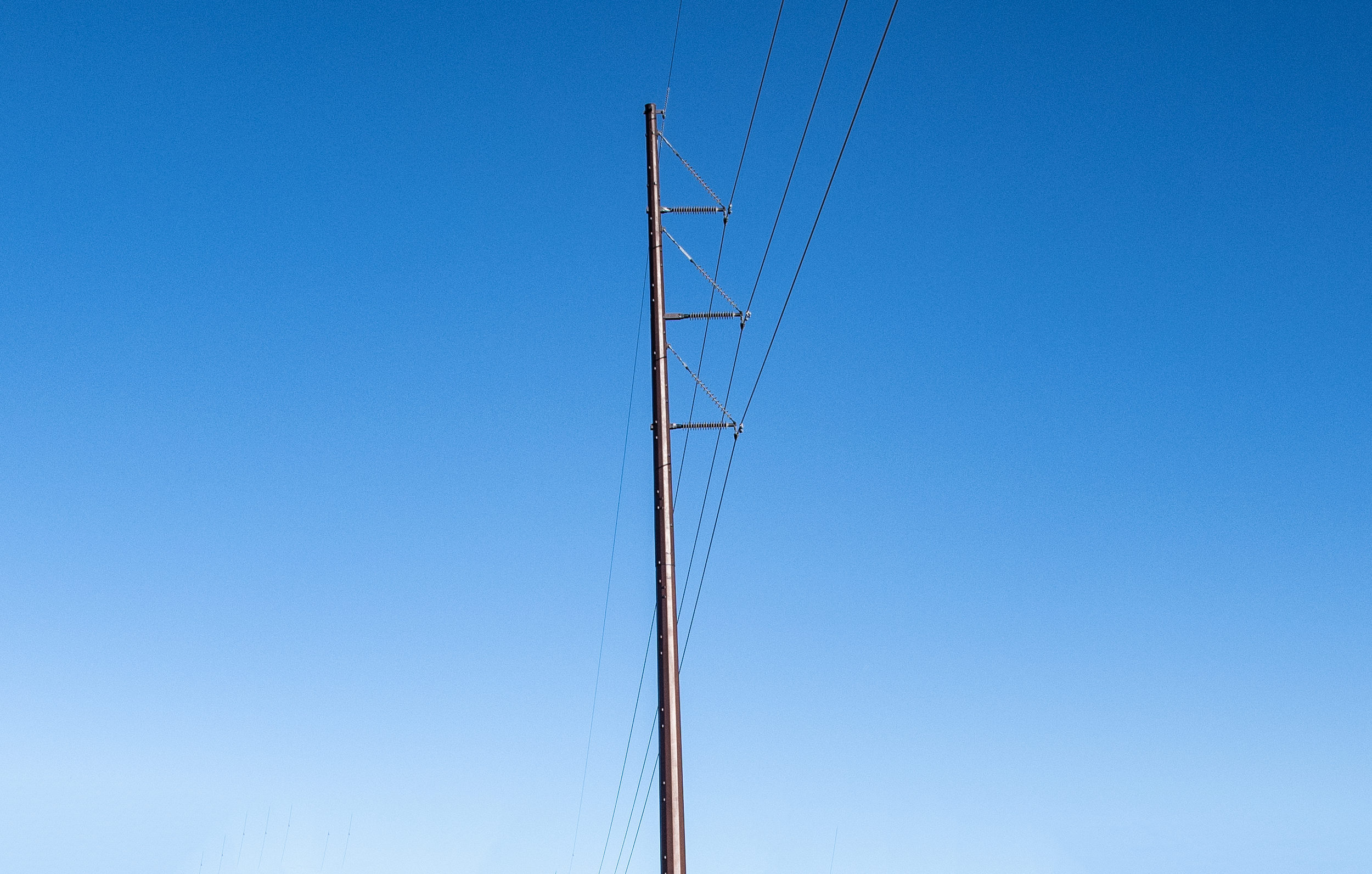
Proposed Capacity: 36 miles of transmission lines, including 230 kV and 115 kV lines.
Location Details: Only 16 miles are in Wyoming.
| WIND ENERGY
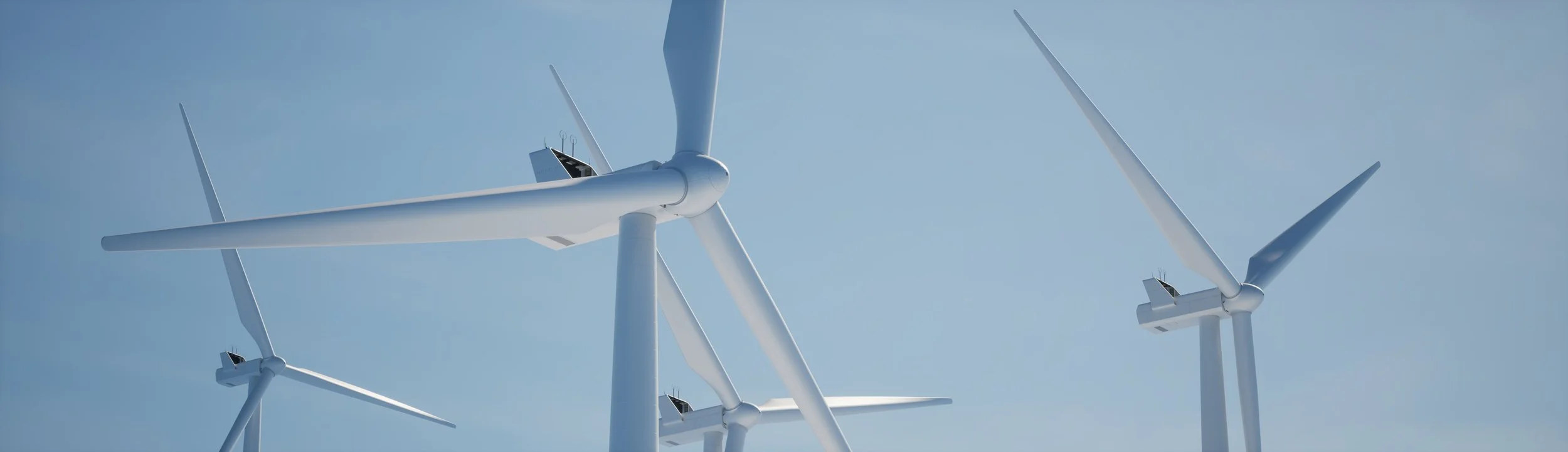
Chalk Bluffs will generate up to 500 megawatts of wind power currently from 95 turbines. Cattle can keep grazing right up to the turbines.
No more than 12 turbines in Wyoming, the closest wind turbine will sit more than 1.7 miles from Chalk Bluff Road.
Currently 79 turbines in Colorado, the closest wind turbine will sit approximately 3.5 miles from U.S. 85.
In both states, turbines are placed far from populated areas, and the project exceeds residential and commercial setback requirements.
| Wind Turbines - Sited Carefully. Operated Safely. Restored Fully.
Built for High Plains Weather: Special cold-weather packages heat key components like the gearbox, motors, and battery, allowing turbines to run in temperatures as low as minus 22 degrees Fahrenheit. Heating systems and water-resistant coatings keep ice from forming on the blades, which helps them keep producing power through the cold months.
Sound: Turbines will be placed far from homes, and area sound studies show levels well below required limits.
Nighttime Lighting: Chalk Bluffs prefers a lighting system that keeps turbine lights off unless an aircraft is nearby. Enyo prefers radar-activated aircraft lights, which require FAA approval.
Shadow Flicker: Enyo commits to keeping shadow flicker below independent expert recommendations at every home.
Ranching: Cattle can roam and graze throughout the turbine area, and it's common to see them resting in turbine shade. Most electrical cables will run underground. Landowners keep control of their land and can continue ranching and hunting.
Decommissioning: A county-approved plan with required financial assurance will pay for equipment removal and land restoration with native grasses.
| SOLAR BuiLt to Fit the land
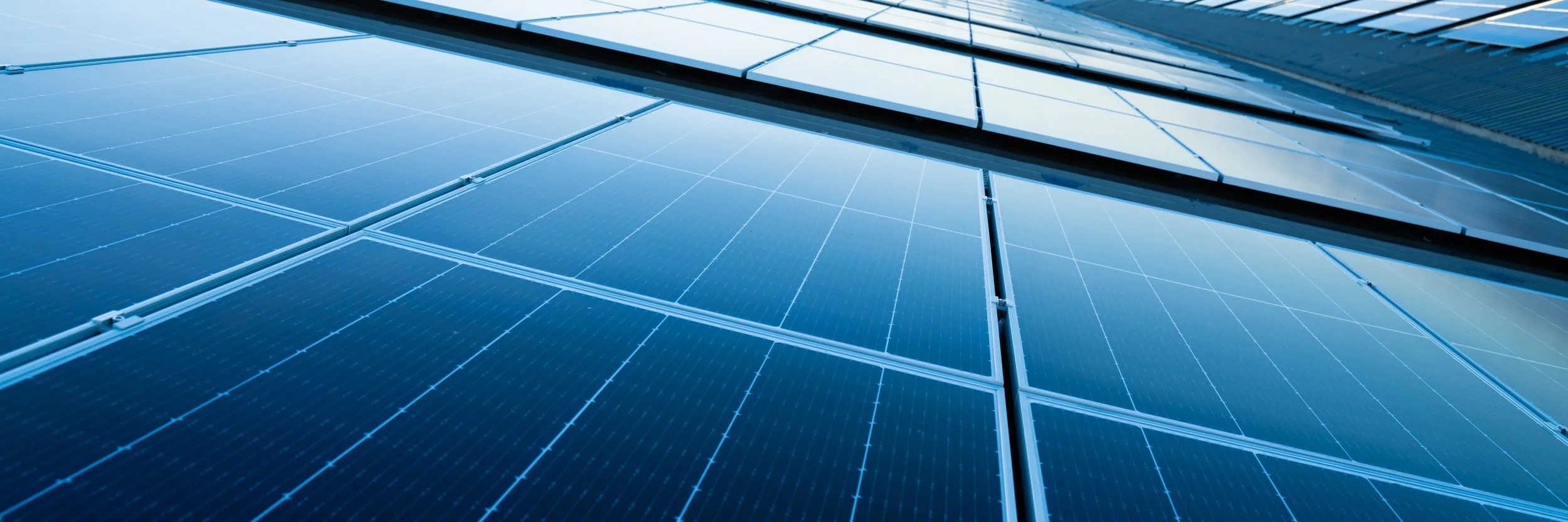
Chalk Bluffs Energy will generate up to 500 megawatts of solar power, with the array set nearly a mile from the nearest non-participating home. The panels are quiet, durable, and designed to absorb sunlight rather than reflect it.
The solar farms are located nearly one mile from the nearest non-participating residence, well beyond setback requirements.
The solar arrays avoid cultivated and irrigated farmland and water infrastructure. Like the rest of the project, it sits on privately leased land.
| Solar - From Sunlight to the Grid, Responsibly
Durable Panels for Tough Weather: The panels are made with tempered glass, the same kind used in car windshields, and are built to withstand hail. Each panel tracks the sun across the sky throughout the day. That movement captures more energy and spreads rainfall more evenly across the ground below.
Solar panels are designed to absorb light, not reflect it. About 98 percent of the sunlight that hits a panel is absorbed and converted to electricity. Solar panels reflect much less light than glass or water.
Solar farms operate almost silently. With very few moving parts, solar equipment makes little noise. Some electrical equipment produces a low hum, but it will not be heard by neighbors. The project will comply with county noise ordinances.
Caring for the Land: Solar construction follows strict stormwater and erosion rules, and the ground is reseeded with native grasses. Before construction, the project must put erosion and sediment controls in place. Before operation, it must obtain a stormwater management permit with an approved pollution prevention plan. Berms, swales, and check dams slow runoff between panel rows. Native grasses are reseeded and maintained throughout the facility, so the goal is a healthy plant community, not bare soil.
Decommissioning: A county-approved plan with required financial assurance will pay for equipment removal and land restoration with native grasses.

| BATTERY STORAGE
Chalk Bluffs will include a 500 megawatt-hour battery system that stores extra wind and solar power for when it's needed most. It is designed to meet rigorous national fire codes and will be backed by training for local firefighters.
The battery acts like a reservoir for electricity. It charges when wind and solar produce more power than the grid needs or if the grid has excess power, then in either case the battery releases that power during peak demand or outages. This helps:
Stabilize the grid by balancing supply and demand
Smooth out the natural ups and downs of wind and solar
Provide backup power during outages
Reduce strain during high-demand periods, like hot summer evenings
| Battery Storage - Designed Around Safety First
Modern battery storage facilities use multiple layers of protection, and Chalk Bluffs must meet strict fire and building codes. The facility must comply with the International Fire Code and National Fire Protection Association standards. Safety features include:
Continuous monitoring of temperature, voltage, and other conditions.
Automatic systems that isolate affected battery modules and trigger fire suppression.
Spacing between battery units, fire-resistant materials, and ventilation to manage heat.
Regular inspections and maintenance to keep safety systems working.
Emergency access routes built into the facility design.
Working With Local Firefighters: Before the batteries ever operate, Chalk Bluffs will train local fire crews and create a site-specific emergency plan.
A Safer Battery Chemistry: Chalk Bluffs will use lithium iron phosphate (LFP) batteries, the standard for modern grid storage. LFP batteries have a much lower risk of overheating than the batteries found in phones and laptops.
Location and Sound: The battery facility is placed far from property lines and homes. The main source of sound is air conditioning fans that keep the batteries cool. Distance allows that sound, and any heat, to dissipate before reaching neighbors.
| TRANSMISSION & SUBSTATIONS
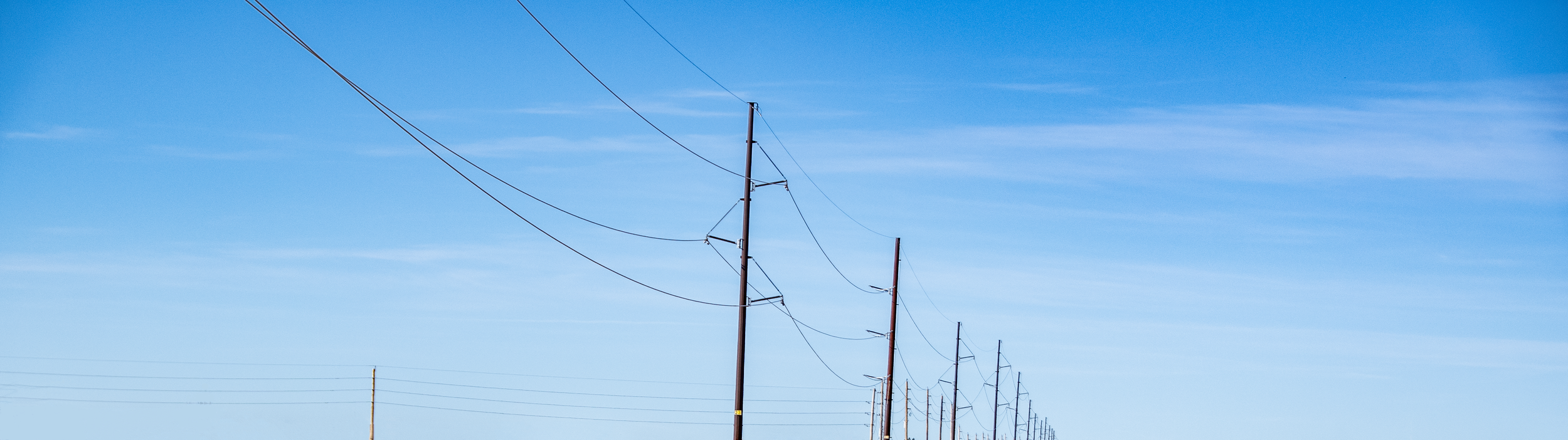
Electricity generated by solar and wind is transferred for customer use from substations by project transmission lines.
Gen-tie lines, or generation tie-in lines, are specialized transmission lines that transmit electricity generated at these solar and wind farms to the substations.
Substations: Chalk Bluffs’ collector substations transform voltage from low to high to connect to the regional transmission grid.
Transmission lines span from the substations to utility point of interconnection traversing both public and private lands.
| Transmission and Substations: Routing the Power Responsibly
Transmission lines can only be built where landowners agree to host it. The route weighs land use, homes, planned infrastructure, raptor nests, and wildlife movement, and it avoids the Chalk Bluff Road right-of-way.
What will the line look like? The line will use steel poles along a cleared right-of-way. The 16-mile transmission line in Wyoming is a 230-kilovolt line with a 125-foot right-of-way and steps down to smaller 115-kV lines near Cheyenne.
Ranching continues under and around transmission lines. Cattle can graze beneath the line, and only the land at each pole base is taken out of use. Landowners keep their property, and maintenance access is coordinated with each landowner.